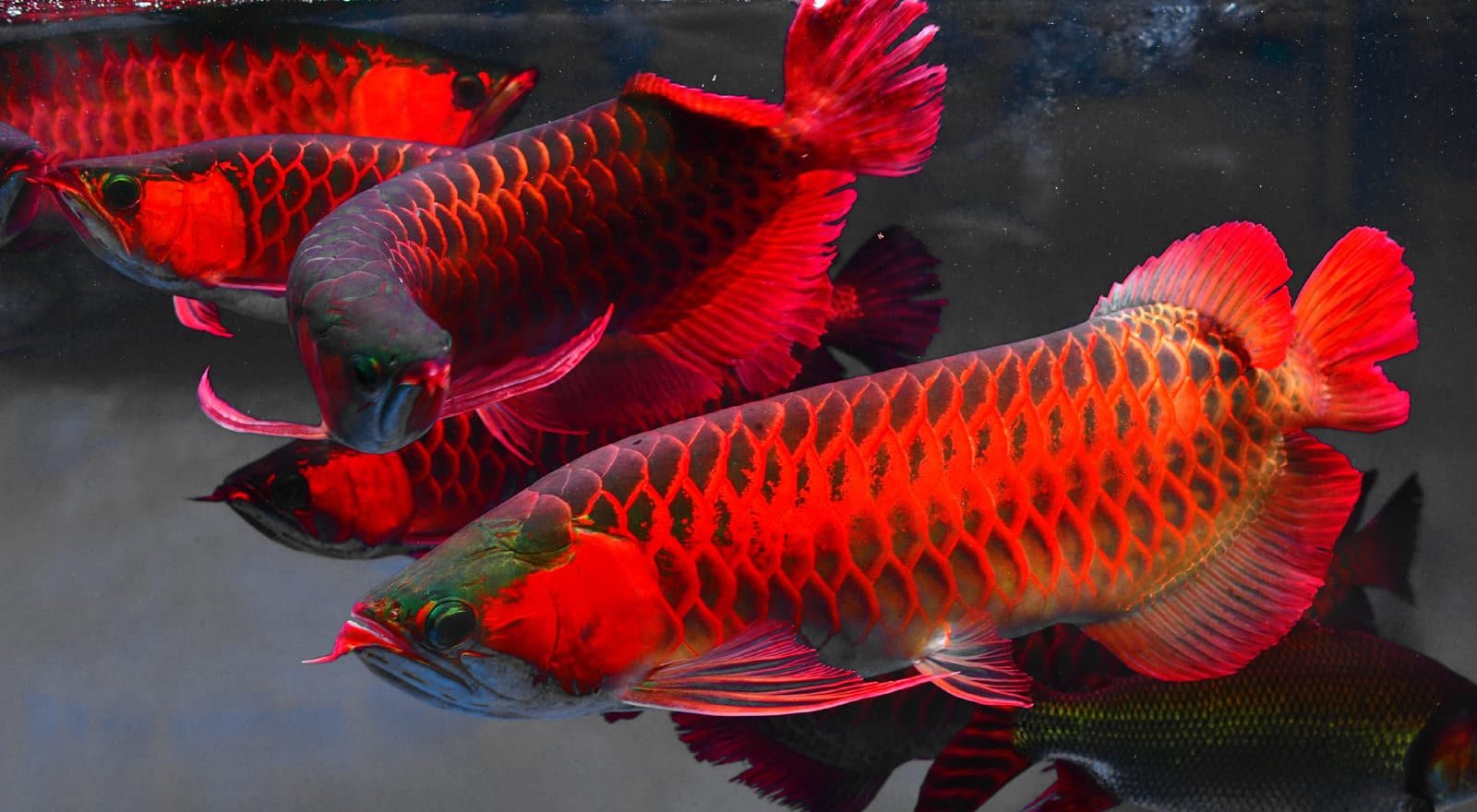
Exporting an Asian Arowana is not simply about putting a fish into a bag and booking a flight. There is a proper process behind every movement, and traceability is an important part of that process.
The first stage for these brooders is deworming, observation and stabilisation. We want the fishes properly conditioned before proceeding with the subsequent export preparations.
Once they are ready, we will begin working through the necessary CITES export documentation, while our Indonesian client handles the required CITES import permit on their side. Only after the necessary documentation and approvals are in place will the flight arrangements be finalised.
The relevant health certification will also be arranged through the appropriate authorities as part of the export process.
And then comes something extremely important — identity verification.
Each registered Arowana carries an individual microchip identification number. Think of that number like an identity card for the fish. Before export, the fishes are scanned and their chip numbers are checked against the corresponding documentation and records.
This identification system is an important part of maintaining traceability for legally captive-bred Asian Arowana moving through the international trade system. From breeding records and identification to documentation and export, there should always be a traceable chain behind the fish.
For us, responsible breeding goes beyond producing beautiful Arowanas.
It is about responsible farming, sustainability and traceability.
Our selective breeding programme is supported by DNA profiling and pedigree records, allowing us to maintain established genetic lines, make informed breeding-pair selections and minimise unnecessary dilution of the characteristics we have worked generations to preserve.
From our breeding ponds in Singapore to their eventual destination overseas, we believe every fish should have an identity and a history that can be accounted for.
That is what responsible captive breeding means to us.