When we talk about Golden Crossback Arowana, hobbyists often hear many different names, strains and descriptions. But in shows and competitions, Crossbacks are commonly segregated into two main presentation classes — the Golden Head / Golden Helmet type and the Traditional Crossback.
Does one automatically cost more than the other? Maybe, maybe not. At Imperial Arowana, we do not simply put a premium on a fish because it carries the words “Golden Head” or “Golden Helmet”. Unless we are specifically selecting and grooming a competition or show-grade specimen, what matters to us is the overall quality of the individual fish and its pedigree.
[2]
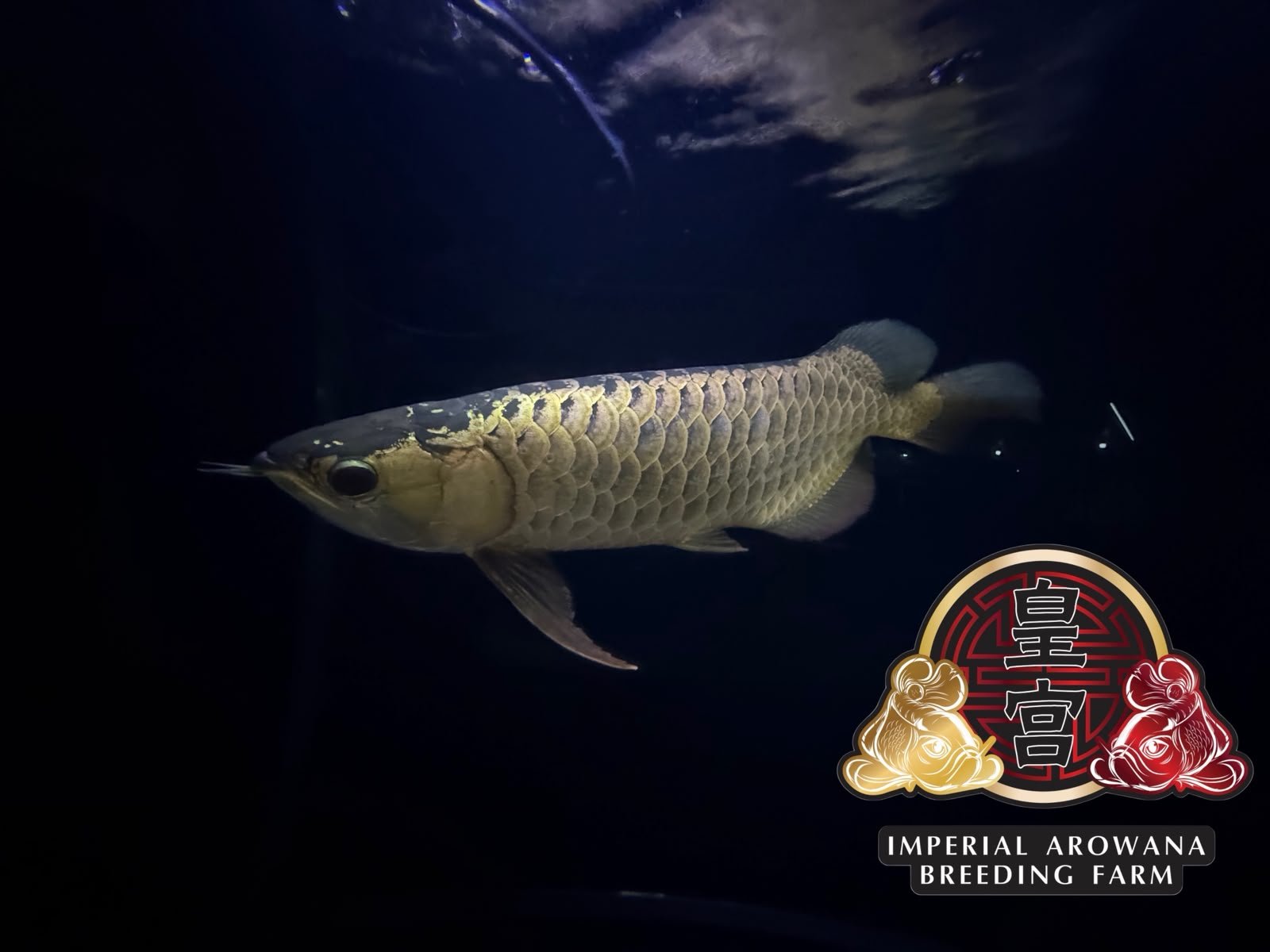
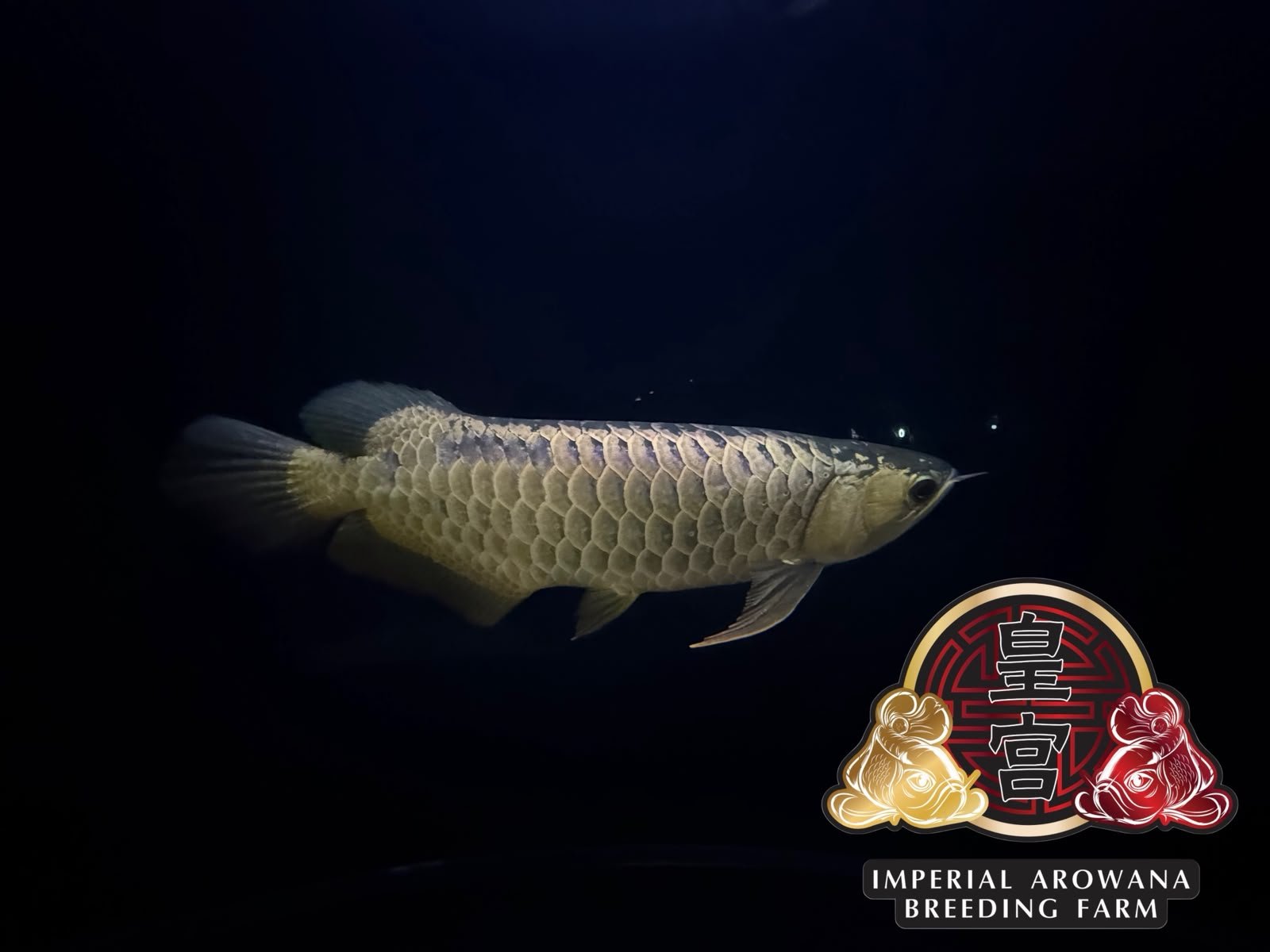
The fish in this video is a very good example of why we continue to preserve our traditional Crossback lines. Look closely at the large and neatly arranged scales, strong metallic gold development, high lustre, clean body profile and natural gold spreading across the upper rows.
And importantly, this is a three-row Pearlie Scale fish at the very least.
Pearlie scales are the smaller scales located around the base of the dorsal-fin region, and they have always been one of the important characteristics we look at when assessing a proper Crossback. Two to two-and-a-half rows are already commonly seen in good-quality Crossbacks from our lines, but a properly formed three-row Pearlie Scale arrangement is much harder to come across. For old-school hobbyists who understand traditional Crossbacks, this is a detail worth stopping to appreciate.
The beauty of a traditional Crossback is not dependent on having a full golden helmet covering its head. A proper traditional Crossback has its own character — the gold quality, shine, lustre, scale formation, Pearlie Scale development and overall structure should speak for the fish.
This is also why we are careful with hybrids. Creating another cross may produce interesting appearances, but preserving an established pedigree is a completely different responsibility. Once an original genetic line becomes excessively diluted, bringing those characteristics back consistently becomes extremely difficult.
At Imperial Arowana Breeding Farm, our selective-breeding programme uses DNA profiling together with years of pedigree and breeding records to identify our lines, select compatible brooders and minimise unnecessary genetic dilution.
There is no need for every Crossback to look the same. Golden Helmet has its beauty. Traditional has its beauty. What matters is knowing what you are looking at, understanding its bloodline, and appreciating the qualities the fish was bred to carry.
Quality is not created by giving a fish a more impressive name. Quality should be visible in the fish itself.