Asian Arowanas are freshwater fishes associated with slow-moving rivers, streams, floodplains and heavily vegetated waterways. In many of these environments, fallen leaves, wood and decomposing plant material release tannins and organic acids into the water. This can naturally produce softer water with a slightly acidic pH.
And this is something worth understanding when keeping Arowanas: stable water is more important than constantly chasing a particular number.
Singapore’s treated tap water may enter an aquarium at a different pH from the mature water already inside it. Once an aquarium becomes established, biological activity also changes its water chemistry. Fish waste produces ammonia, beneficial bacteria convert ammonia to nitrite and subsequently nitrate, while decomposition and other biological processes can gradually consume alkalinity and influence pH.
This is why we always say that water volume matters.
Generally, the larger the volume of water, the more slowly parameters change when the same amount of waste, food or other material is introduced. A bigger, properly filtered system therefore gives the keeper a much larger buffer against sudden fluctuations.
That doesn’t mean a large tank can replace good husbandry. Water changes, filtration, aeration, stocking levels, feeding and regular testing are still essential.
At Imperial Arowana, we also don’t depend entirely on permanently installed electronic probes.
Probes are useful instruments, but they require proper cleaning, calibration and maintenance. A neglected probe can give you a very precise-looking number that isn’t necessarily an accurate one.
For routine work, sometimes the old-fashioned methods are still among the most dependable.
We use colour-based testing where appropriate, while more detailed water analysis can be carried out using our laboratory equipment and spinning-disc testing system. Most importantly, we look for consistency and trends, rather than reacting to one isolated reading.
After dealing with hundreds of tanks and breeding ponds, one lesson remains the same:
Don’t chase pH. Build a stable ecosystem.
Good water is not simply a number on a screen. It is the combination of stable parameters, adequate biological filtration, oxygenation, sensible stocking and consistent maintenance.
And ultimately, the fish itself is one of your best indicators. Appetite, swimming behaviour, breathing, fins and general condition can tell an experienced keeper that something is changing even before it becomes an obvious problem.
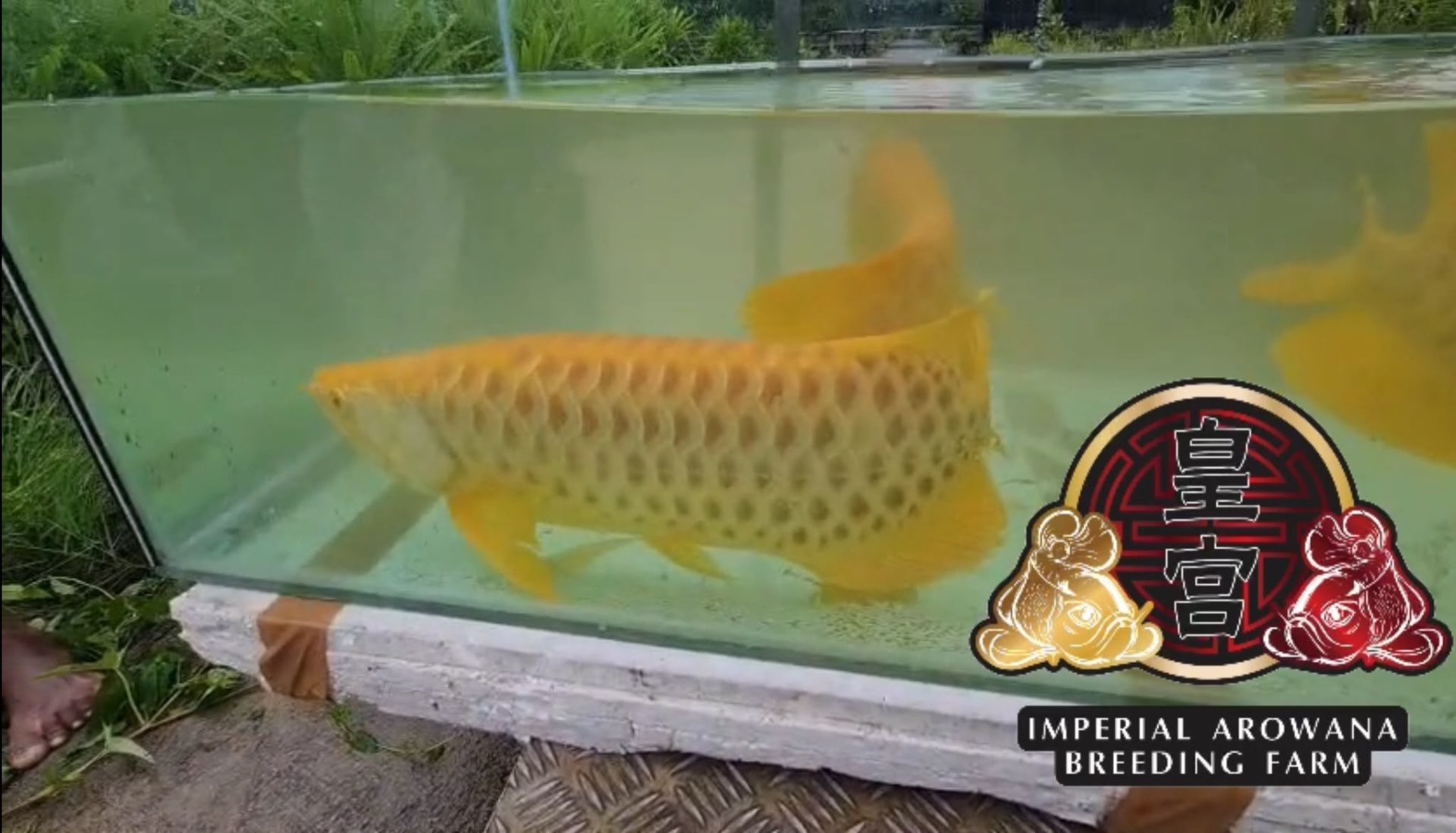
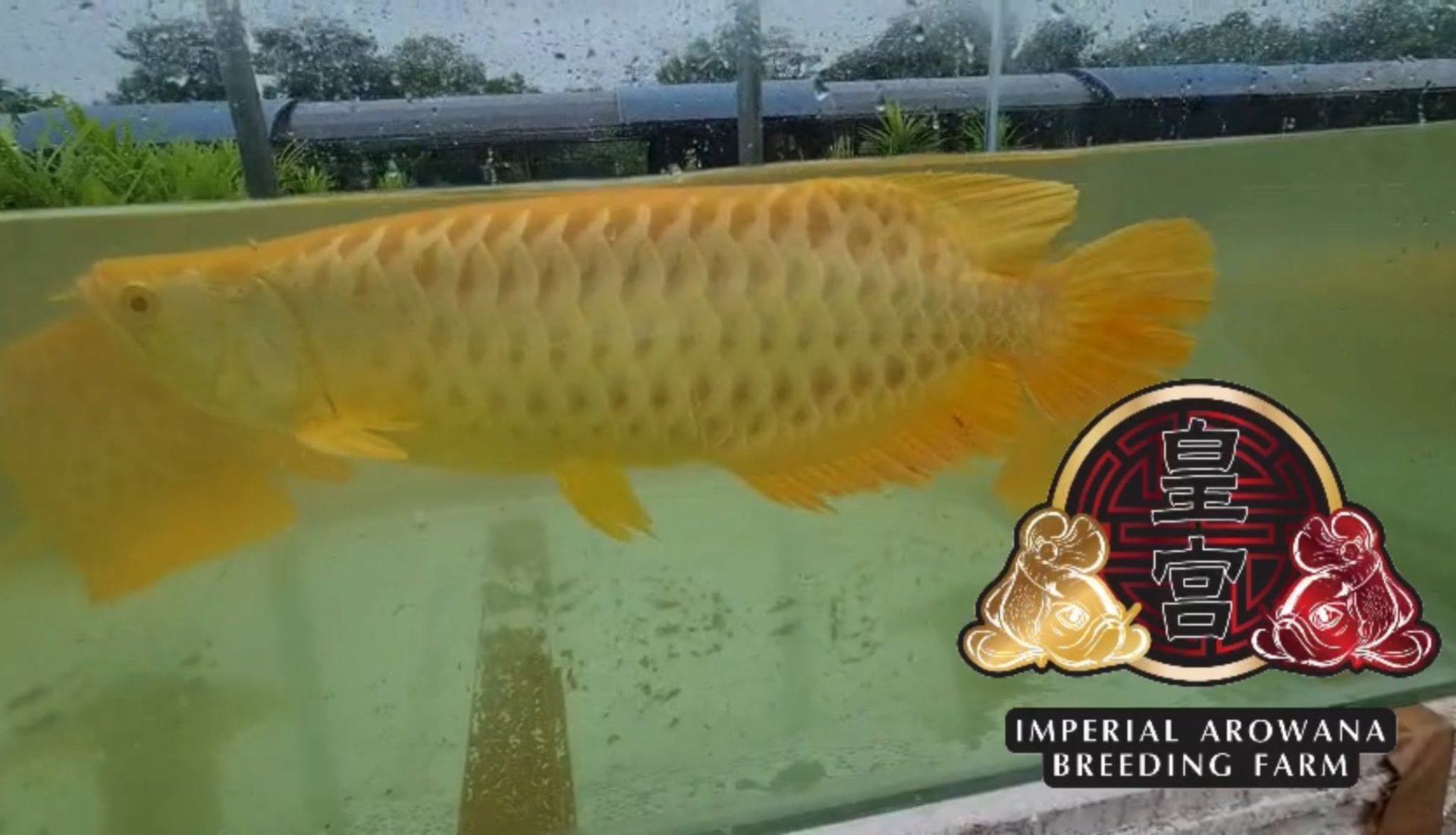
This Crossback is simply doing what an Arowana should be doing — living and developing in a stable pond environment while we allow genetics and time to do their work.
At Imperial Arowana Breeding Farm, our pedigree lines are maintained through selective breeding supported by DNA profiling and years of accumulated genetic and breeding records. The objective is to minimise genetic dilution and preserve the characteristics of each established bloodline across generations.
Imperial Arowana Breeding Farm Pte Ltd
皇宫龙鱼繁殖场